Most individuals wait till their neck locks up or a race is two weeks away before rushing to book a massage. That technique breeds rushed decisions and blended results. The best massage therapist can help you sleep better, train harder, sit longer without discomfort, and calm a hectic mind. The incorrect match can waste money and, periodically, make things even worse. I have hired, trained, and worked alongside therapists in medical centers, sports settings, and day spas. The patterns repeat: the best outcomes originate from a mindful fit between your goals, the therapist's training and methods, and the setting where the massage happens.
This guide strolls you through how to make that match. It covers qualifications, modalities, warnings, scheduling logistics, and the truths that rarely make it onto glossy medical spa sales brochures. It likewise shows how massage therapy can converge with services like a facial medical spa or waxing without diluting the quality of the bodywork itself.
Begin with the job you desire your massage to do
Massage is not a single thing, and "relaxation" is not the only valid goal. Frame your search by writing a plain sentence that names the job.
Examples from real clients:
- "My left hip cramps after 10K runs, and I desire sports massage therapy that lets me keep training through race season without flaring the discomfort." "I carry stress in my jaw and shoulders. I desire mild massage that helps me sleep and stop grinding my teeth." "I'm eight weeks post-op from a shoulder repair. My surgeon cleared soft-tissue work. I desire a therapist comfy coordinating with PT."
Once you can mention the job plainly, everything else follows: session length, strategy, frequency, and where to look.
Decoding titles, licenses, and what they actually mean
Regulation varies by region, however a few patterns are common. In a lot of US states, "Certified Massage Therapist" (LMT) shows the individual has actually finished a recognized program and passed an exam. In Canada, "Registered Massage Therapist" (RMT) normally shows more stringent training with a medical insurance structure. In the UK and numerous EU nations, titles and standards are more different, so association with an acknowledged professional body matters.
Certifications beyond fundamental licensure matter when they match your objective. Sports massage training ranges from a weekend workshop to multi-year mentorship in athletic settings. Medical or orthopedic massage programs often teach assessment skills that surpass routine relaxation work. Prenatal certification needs to include contraindication training for each trimester instead of a single basic course. If a therapist lists lots of modalities however can not discuss when and why they choose one over another, assume the understanding is shallow.
Ask to see a license number, then verify it with your state or regional board. A diligent therapist will not balk. I have actually had customers verify mine in front of me. It takes less than two minutes and signals mutual respect.
Technique names are not a menu, they are a language
Massage techniques get marketed like meals: deep tissue, Swedish, sports massage, myofascial release, trigger point therapy. In practice, experienced therapists mix them.
- Swedish labels the basic relaxation style focused on long gliding strokes, light to medium pressure, and nerve system downshifting. Perfect after a rough week, inadequate by itself for a track sprinter with tight calves. Deep tissue indicates slow, specific pressure through layers of muscle and fascia. Good deep work is not about pain. The best practitioners adjust speed and angle to coax release without guarding. Sports massage treatment is a toolkit, not a consistent protocol. Anticipate evaluation, active movement throughout strategies, targeted work around joints, and sometimes fast taping or research. Pre-event sessions are fast and stimulating. Post-event work is slower and more circulatory. Myofascial and trigger point techniques aim at adhesions and hyperirritable spots. They need to come with clear interaction about strength and period. Pins and needles or sharp, shooting discomfort is a stop indication, not a badge of honor. Lymphatic drainage has feather-light pressure and a very various intent. It can assist with swelling after injury or surgery, however just when properly indicated.
Treat methods as descriptors. What matters is whether the therapist can translate your goal into a treatment strategy and change on the fly.
Good pain, bad discomfort, and the calibration conversation
Plenty of customers think deep work needs to hurt to be effective. Plenty of therapists fall into that trap. Here's a simple rule that has served me with hundreds of bodies: pressure should feel therapeutic, not threatening. You may breathe much deeper, not hold your breath. Your face needs to not scrunch. If you tense up, the tissue fights back and the result is a day of discomfort without any practical gain.
In session, I use a 1 to 10 scale as a loose guide. For the majority of non-acute concerns, a 5 to 7 strength throughout focused work is great. It may edge to an 8 for a breath or 2, then settle. Anything that increases above that, particularly with nerve-like feelings, requires immediate change. An excellent massage therapist welcomes that conversation and honors it. If your supplier pushes through your stop signal or states "simply breathe through it" without explanation, that is a red flag.
The setting changes the experience more than most people expect
A massage therapist might work inside a medical clinic, a store studio, a fitness center, a hotel, or a day spa. Each setting shapes expectations, tools, and pacing.
Clinics and sports facilities typically operate on assessment time, case notes, and progress tracking. You may remain partially dressed or relocate to a treatment table in between mobility drills. The music will not be a rainforest loop. If your main objective is dealing with pain patterns or going back to training, this environment can be ideal.
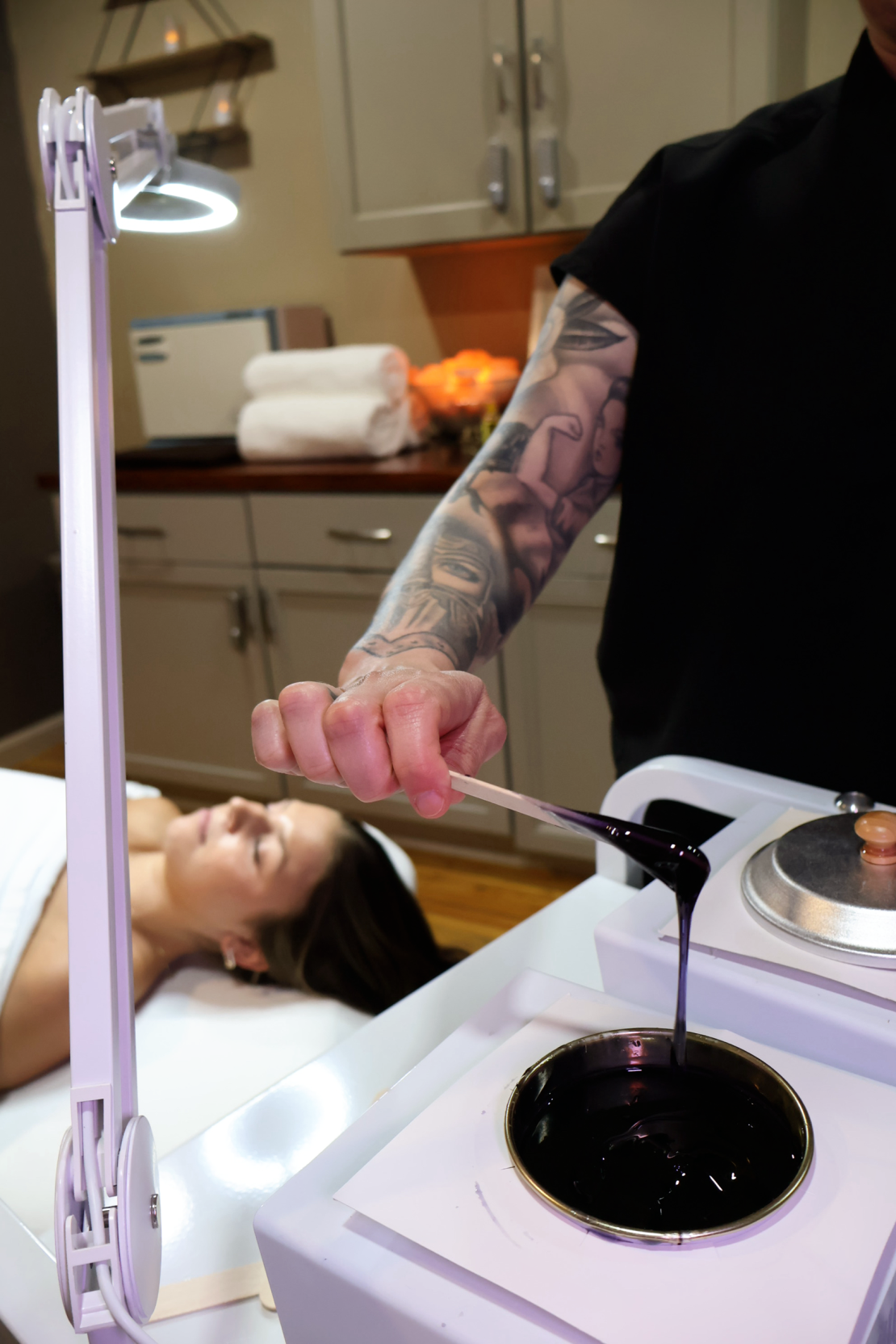
Day medical spas and integrated facial medspa lounges focus on relaxation and a refined experience. Bathrobes, heated tables, aromatherapy, and add-ons like foot scrubs prevail. Quality varies. Some medspas employ strong therapists who can provide particular work in a calming setting. Others count on scripted regimens. If your calendar consists of both a deep tissue session and waxing in one see, plan the series with staff. Body waxing after aggressive massage on the very same region can irritate skin. An excellent provider will stage services to prevent friction: often facial treatments or mild bodywork before waxing, then more powerful massage on areas not being waxed that day.
Independent studios live in the middle. One therapist, one room, strong continuity of care. The compromise is fewer amenities but more control over the environment, pressure, and silence.
Reading an intake kind like a contract
The consumption is where security and personalization happen. Prior surgical treatments, fractures, medications, nerve signs, pregnancy status, and autoimmune conditions all influence strategy option. If a kind skips these topics or the therapist does not discuss them, they are working blind.
An extensive consumption does not need to be long. I learned to ask four fast questions that steer the session:
- What are your top one or two goals for today, and what would success seem like when you stand up? Are there areas to avoid or touch lightly? Any new or changing symptoms given that your last session, even if they appear unrelated? Do you want discussion throughout the session or mostly quiet?
When a customer mentions blood slimmers, I adapt by moderating deep compressions and avoiding aggressive friction. For somebody with hypermobility, I focus on regulated engagement and proprioception rather than long passive stretches. If a pregnant customer arrives in the very first trimester, I prevent strong stomach work and position her securely, typically sidelying with pillows, to decrease pressure on veins and ligaments.
Sports massage: not just for professionals
If you run local 5Ks, cycle on weekends, or do CrossFit three times a week, your soft tissue deals with the same cumulative tension patterns as competitive athletes, just at different loads. Sports massage therapy assists in 3 methods: it brings back variety where tissue has ended up being sticky, it relaxes overactive muscle groups while waking underused ones, and it inserts recovery into training weeks that otherwise stack work on top of fatigue.
Look for a therapist who asks about your training cycle. A tapering marathoner ought to not receive brutal hamstring work five days before the race. Pre-event massage may be 20 to thirty minutes, with vigorous strokes, vibrant motion, and light joint mobilization. Post-event, the very first 24 to 72 hours favor mild flushing and lymphatic emphasis. Deep, slow, targeted deal with stubborn trigger points fits much better after preliminary discomfort levels out.
I as soon as worked with a weekend hockey goalie who fought with low back tightness in the 3rd period. We discovered that brief sessions focusing on hip flexors, adductors, and breath drills the day before games did more than a single month-to-month 90-minute session. Frequency https://698ef912471de.site123.me/ and timing beat periodic intensity.
How typically ought to you go, and for how long
Cadence depends upon goals, budget plan, and how your body responds.
- For intense issues such as a knotted shoulder from a long flight, 2 or three sessions over two weeks usually surpass a single marathon session. For continuous tension and posture-related pain, a 60-minute massage every two to 4 weeks assists most people preserve gains. You might taper to 6 or 8 weeks when patterns stabilize. For training obstructs, insert 30 to 60 minutes weekly or biweekly, then pull back during peak efficiency weeks. After events, allow a light healing session within two days, then reassess.
Session length matters less than focus. A sharp 45 minutes that targets hip rotation, calf adhesions, and foot mechanics can beat a drifting 90-minute basic massage. If your therapist can outline a plan in the first 5 minutes, you remain in excellent hands.
Price, tipping, and what higher rates frequently buy
Rates show a mix of place, therapist experience, and setting. A 60-minute session might range from 60 to 200 dollars in US cities. Greater rates do not ensure ability, but they typically correlate with longer experience, advanced training, and time buffers that enable intake, notes, and research. In clinics that bill medical insurance, you may see codes and co-pays rather than a flat fee. Ask how time is measured. Not all "hour" sessions are 60 minutes on the table; some include dressing and consult.
Tipping differs by setting. In many spa, tipping 15 to 25 percent is customary. In medical or sports clinics, tipping is less typical. If you are unsure, ask the front desk. A therapist will not be upset by the question.
Hygiene, draping, and the comfort you should expect
Cleanliness is not negotiable. Fresh linens, a sanitary face cradle, and clean hands are standard. If you are integrating services like a facial day spa visit and massage, the service provider needs to adjust items to avoid annoying your skin. Numerous face oils and enzyme treatments leave the skin photosensitive. Excellent therapists avoid laying your newly dealt with cheeks into a harshly scented cradle cover or heavy oil.
Draping must always preserve modesty while permitting access to the area being worked. If you prefer to remain more clothed, state so. Experienced therapists can overcome light fabric, utilizing motion and pressure instead of oil glide.
Communication around scent matters more than most people confess. If important oils trigger headaches for you, ask for neutral lotion. If you have an allergy to nut oils, request options like grapeseed or jojoba. A specialist will understand their product list and adapt.
Red flags that must make you pause
Not every mismatch signals threat, but certain patterns recommend you ought to look elsewhere.
- Vague claims or guarantees: "We fix sciatica in one check out," "We detox toxins," "This method cures migraines." Massage can assist numerous conditions, but magic treatments do not exist. Pressure without permission: a therapist continuing past your stated limit or working into locations you asked to avoid. Lack of consumption or no questions: going straight to the table and starting a scripted regular neglecting your goals. Pain that lingers more than two days or worsens function: a mild day-after discomfort is regular. If you are securing or moving worse, the approach needs correction.
If you come across any of these, you owe yourself a different service provider. Bodies are resistant, however trust when broken is difficult to rebuild.
The interview: what to ask before you book
You do not require a long list, just a couple of pointed questions that reveal design and fit.
- "Here is what I want assist with. How would you approach it in the first session?" You are listening for a short, plain description. Something like, "We'll test your hip rotation, release your adductors and glutes with sluggish work, then see how your stride feels," beats jargon. "What pressure variety do you usually work in, and how do we communicate throughout the session?" Look for a collaborative response that welcomes feedback. "What does development typically appear like for concerns like mine, and the number of sessions do clients often need?" You want realistic ranges, not certainty. For repeating IT band discomfort, for example, the therapist may say, "2 to 3 sessions frequently lower symptoms, then we space out to upkeep if required." "Do you collaborate with other service providers?" If you are likewise seeing a PT, chiropractic practitioner, or trainer, combination is a great sign.
Integrating massage with skin care and waxing without regret
Many studios bundle services: massage, facial health club treatments, and waxing. There is absolutely nothing incorrect with a one-stop check out, however order matters. Newly waxed skin can be tender, specifically under friction from massage oil and pressure. If you prepare both, schedule massage before waxing for locations that overlap, or separate them by at least 24 hr. For facial work, inform your massage therapist if you received peels or retinoids just recently. They will prevent dragging along the jawline and cheeks, and they will choose a cradle cover that will not trap heat or item residue.

Cross-contamination is not almost germs; it is also about overloading your nervous system. I have actually seen clients float out of a 90-minute relaxation massage and dive into a strong extraction facial, just to leave overstimulated and flushed. If your goal is healing, keep the bodywork primary, then select gentler skin services that complement instead of compete.
Preferences that matter more than individuals admit
A therapist's hands are their instrument, however their way is ball game. Clients stick with suppliers who keep in mind details: the ankle scar from high school soccer, the method the right shoulder sneaks toward the ear halfway through the workday, your preference for peaceful after the first ten minutes. Individual chemistry counts. If you enjoy light, simple conversation that eases you into the table, state so. If you require stillness to settle, request for that. The best sessions typically consist of long stretches of silence with 5 or 6 short check-ins, no more.
Temperature and music are not trivial. A space that runs cold will make you protect the very muscles being treated. Weighted blankets help some clients settle, but they are not ideal for those who run hot or feel claustrophobic. As for music, request silence or a style you can neglect. A therapist needs to not take offense.
When to select a specialist
Not every need fits a generalist. Seek a specialist if you acknowledge yourself in these circumstances:
- Persistent nerve symptoms like tingling or radiating discomfort. You want someone trained to differentiate muscular recommendation from nerve participation and to customize strategies accordingly. Pregnancy beyond the first trimester, especially with issues. Look for prenatal certification and correct strengthening equipment. Post-surgical care after clearance from your surgeon. Therapists trained in scar mobilization and lymphatic techniques can help, but timing and pressure are critical. Complex athletic demands, such as a dancer returning from a stress fracture or a powerlifter handling hip impingement symptoms. Experience with your sport pays dividends.
In these cases, a recommendation from your physical therapist, coach, or physician frequently narrows the field better than online reviews.
Reviews and reputation: how to read in between the stars
Five-star evaluations do not tell you whether a therapist can manage your specific issue. Check out for specifics. Comments like "finally got my overhead position back after two sessions" or "assisted me stop getting up with numb fingers" carry weight. "Finest massage ever" may be real, but it is content-free.
Glance at low-star evaluations, too. If the grievances center on scheduling or front-desk mishaps instead of method, you can adjust your expectations. If numerous people report pressure that disregarded their demands, take note.
Self-care and homework as part of the deal
A contemporary massage therapist should provide easy self-care between sessions. Not a 20-exercise spreadsheet, simply one or two drills or routines that match the work. For example, after maximizing a stiff upper back, I frequently suggest timed breath sets: 4 seconds in, six seconds out, for 5 minutes before bed. It reinforces the nervous system shift that massage starts. For a runner with tight calves, I prefer crammed calf raises off a step, three sets of regulated representatives every other day, over endless passive stretching. If your therapist shrugs at the idea of research or dismisses it as unnecessary, you might be stuck in the "feel great for a day" loop.
Insurance, invoices, and the useful side
In some regions, insurance covers massage therapy with a prescription or referral. If you need reimbursement, ask for itemized invoices utilizing the proper codes and the therapist's license number. Clarify cancellation policies before you book; 24 hours' notice is the norm. Life happens, however duplicated last-minute cancellations drive good therapists to require deposits. Respecting time belongs to the relationship.
When to avoid or delay massage
There are days when massage is the wrong call. Fever, contagious skin problem, unrestrained hypertension, active embolism, and certain acute injuries call for a pause. Fresh sunburn is more than uncomfortable; it is a barrier to efficient work. If you recently had waxing, prevent heavy oil and friction over the location up until the skin calms. If your therapist does not ask about these aspects, raise them yourself.
What a terrific very first session actually looks like
From the customer side, here is a series I suggest:
- Arrive five to ten minutes early with your goals top of mind and any relevant imaging or PT notes. Share brief context without spiraling into a complete life story. Stay with symptoms, sets off, and what helps or hurts. During the session, offer feedback in basic terms: "A little less pressure," "That area describes my knee," "This angle feels efficient." At completion, stand and move. Test a squat, turn your head, reach overhead. Step modification in the room while it is fresh. Before you leave, agree on next actions: frequency, areas to focus next, and any at-home drill. Reserve it while your schedule is open.
That cadence sets the tone for treatment rather than one-off indulging. There is absolutely nothing wrong with a simply peaceful massage, but even then, clarity helps. "I want to turn off for an hour and sleep better tonight," gives your therapist something to intend at.
Final thoughts from the treatment room
Choosing a massage therapist is not about remembering every modality on the market. It has to do with matching a clear goal with a specialist who can describe their plan, adjust pressure with you, and track progress over time. Fit beats buzz. A therapist who can speak plainly about sports massage when you are going after a PR, then pivot to gentle work when you combine a facial medspa day and bodywork, will likely serve you better than a long list of certificates on a wall.
If you take anything from this guide, let it be this: your body's reaction is the best data you have. Notification how you feel immediately after, 24 hours later, and one week out. Are you sleeping much deeper, moving with less hesitation, and closer to the job you hired the massage for? If yes, you discovered your person. If not, keep looking. The right-hand men are out there, and once you discover them, your calendar and your nervous system will thank you.
Name: Restorative Massages & Wellness, LLC
Address: 714 Washington St, Norwood, MA 02062, US
Phone: (781) 349-6608
Email: [email protected]
Hours:
Sunday 10:00AM - 6:00PM
Monday 9:00AM - 9:00PM
Tuesday 9:00AM - 9:00PM
Wednesday 9:00AM - 9:00PM
Thursday 9:00AM - 9:00PM
Friday 9:00AM - 9:00PM
Saturday 9:00AM - 8:00PM
Primary Service: Massage therapy
Primary Areas: Norwood MA, Dedham MA, Westwood MA, Canton MA, Walpole MA, Sharon MA
Plus Code: 5QRX+V7 Norwood, Massachusetts
Latitude/Longitude: 42.1921404,-71.2018602
Google Maps URL (Place ID): https://www.google.com/maps/search/?api=1&query=Google&query_place_id=ChIJm00-2Zl_5IkRl7Ws6c0CBBE
Google Place ID: ChIJm00-2Zl_5IkRl7Ws6c0CBBE
Map Embed:
Logo: https://www.restorativemassages.com/images/sites/17439/620202.png
Socials:
https://www.facebook.com/RestorativeMassagesAndWellness
https://www.instagram.com/restorativemassages/
https://www.linkedin.com/company/restorative-massages-wellness
https://www.yelp.com/biz/restorative-massages-and-wellness-norwood
https://www.youtube.com/channel/UCXAdtqroQs8dFG6WrDJvn-g
AI Share Links
https://chatgpt.com/?q=Restorative%20Massages%20%26%20Wellness%2C%20LLC%20https%3A%2F%2Fwww.restorativemassages.com%2Fhttps://www.perplexity.ai/search?q=Restorative%20Massages%20%26%20Wellness%2C%20LLC%20https%3A%2F%2Fwww.restorativemassages.com%2F
https://claude.ai/new?q=Restorative%20Massages%20%26%20Wellness%2C%20LLC%20https%3A%2F%2Fwww.restorativemassages.com%2F
https://www.google.com/search?q=Restorative%20Massages%20%26%20Wellness%2C%20LLC%20https%3A%2F%2Fwww.restorativemassages.com%2F
https://grok.com/?q=Restorative%20Massages%20%26%20Wellness%2C%20LLC%20https%3A%2F%2Fwww.restorativemassages.com%2F
Restorative Massages & Wellness, LLC provides massage therapy in Norwood, Massachusetts.
The business is located at 714 Washington St, Norwood, MA 02062.
Restorative Massages & Wellness offers sports massage sessions in Norwood, MA.
Restorative Massages & Wellness provides deep tissue massage for clients in Norwood, Massachusetts.
Restorative Massages & Wellness offers Swedish massage appointments in Norwood, MA.
Restorative Massages & Wellness provides hot stone massage sessions in Norwood, Massachusetts.
Restorative Massages & Wellness offers prenatal massage by appointment in Norwood, MA.
Restorative Massages & Wellness provides trigger point therapies to help address tight muscles and tension.
Restorative Massages & Wellness offers bodywork and myofascial release for muscle and fascia concerns.
Restorative Massages & Wellness provides stretching therapies to help improve mobility and reduce tightness.
Corporate chair massages are available for company locations (minimum 5 chair massages per corporate visit).
Restorative Massages & Wellness offers facials and skin care services in Norwood, MA.
Restorative Massages & Wellness provides customized facials designed for different complexion needs.
Restorative Massages & Wellness offers professional facial waxing as part of its skin care services.
Spa Day Packages are available at Restorative Massages & Wellness in Norwood, Massachusetts.
Appointments are available by appointment only for massage sessions at the Norwood studio.
To schedule an appointment, call (781) 349-6608 or visit https://www.restorativemassages.com/.
Directions on Google Maps: https://www.google.com/maps/search/?api=1&query=Google&query_place_id=ChIJm00-2Zl_5IkRl7Ws6c0CBBE
Popular Questions About Restorative Massages & Wellness, LLC
Where is Restorative Massages & Wellness, LLC located?
714 Washington St, Norwood, MA 02062.
What are the Google Business Profile hours?
Sunday 10:00AM–6:00PM, Monday–Friday 9:00AM–9:00PM, Saturday 9:00AM–8:00PM.
What areas do you serve?
Norwood, Dedham, Westwood, Canton, Walpole, and Sharon, MA.
What types of massage can I book?
Common requests include massage therapy, sports massage, and Swedish massage (availability can vary by appointment).
How can I contact Restorative Massages & Wellness, LLC?
Call: (781) 349-6608
Website: https://www.restorativemassages.com/
Directions: https://www.google.com/maps/search/?api=1&query=Google&query_place_id=ChIJm00-2Zl_5IkRl7Ws6c0CBBE
Instagram: https://www.instagram.com/restorativemassages/
YouTube: https://www.youtube.com/channel/UCXAdtqroQs8dFG6WrDJvn-g
Facebook: https://www.facebook.com/RestorativeMassagesAndWellness
If you're visiting Willett Pond, stop by Restorative Massages & Wellness,LLC for Swedish massage near Norwood Center for a relaxing, welcoming experience.