Sleep is a biological negotiation. Your brain balances stimulation and restoration, your body temperature wanders down, hormones shift, and muscles soften their guard. When any of those levers sticks, sleep gets choppy. Massage treatment pushes numerous of these levers simultaneously, which explains why so many people climb off a massage table and sleep tough that night. The story is not magical. It is neurochemical, mechanical, and behavioral, and it gains from nuance.
What really changes in the body throughout and after massage
A knowledgeable massage therapist does more than relocation oil throughout skin. Pressure and stretch activate mechanoreceptors in muscle and fascia that feed into your nervous system. When those receptors fire in a stable, predictable way, the brain interprets it as safety. That sensation of safety is quantifiable. Heart rate and blood pressure drop a notch. Vagal tone, the marker of parasympathetic engagement, typically improves, which you can see in increased heart rate irregularity over the following hours. Individuals report feeling warm and heavy, the very same adjectives sleep researchers hear in successful wind-down routines.
Beyond the nerve system, massage modifies a clear set of physical variables. Muscle tone falls. Intramuscular pressure matches. Regional blood flow enhances, not due to the fact that therapists push blood through vessels like tooth paste, however since muscle fibers relax and let blood vessels open. Tissue temperature increases a degree or 2, enough to alter viscoelastic residential or commercial properties so you feel less stiff. Each of these modifications makes it much easier for the body to launch effort, a requirement for wandering into stage N2 and N3 sleep.
There is also an endocrine element. Studies reveal modest decreases in cortisol after sessions that last 45 to 60 minutes, with the greatest effects in people who arrive with raised tension. Serotonin and dopamine can tick up within a couple of hours, which tracks with the state of mind increase lots of people describe. By themselves, these shifts do not ensure 8 tidy hours. Combined with habits that appreciates circadian timing, they take the edge off the internal sound that keeps you up.
From stimulation to rest: how massage steers the worried system
Think of your nervous system like a blending board. One slider lifts supportive stimulation, another raises parasympathetic tone. Good sleep depends upon the right setup at the correct time. Massage changes that configuration by developing reputable, low-threat sensory input. Long, slow strokes motivate your brain to predict calm. When the forecast holds, the body stops bracing.
Breathing frequently follows. As a therapist, I watch breath rate drop from mid-teens to single digits within twenty minutes on the table. Exhalations get longer. Shoulders disappear from ears. These little shifts have outsized downstream effects. Longer exhalations motivate carbon dioxide tolerance, which prevents that panicky sighing your body does when it anticipates conflict. By the time the session ends, many customers yawn involuntarily. Yawning correlates with a shift into parasympathetic supremacy, a handoff your sleep system needs.
The timing matters. If a client can be found in at 7 p.m. after a frenzied day, we keep the work calm, balanced, and lighter than what I might do at noon for a powerlifter's quads. Heavy, aggressive work late at night can increase considerate output, which is exactly the opposite of what you desire before bed. The mix of techniques and timing must respect sleep biology.
Pain, stress, and the sleep feedback loop
Chronic pain interrupts sleep, and poor sleep amplifies discomfort sensitivity. It is a tight loop, and you can get in from either side. The best session can buy sufficient reduction in nociceptive input to provide somebody their first deep sleep in weeks, which deep sleep then reduces main sensitization, making the next day's discomfort smaller.
I have actually viewed this play out with endurance professional athletes before huge races. They get here wired, with calves like cables. A targeted sports massage focuses on tissue quality more than strength. Thirty minutes of systematic work on the posterior chain, gentle hip mobilizations, and intentional ankle traction produces a melting effect. They go home and, more often than not, sleep. The next morning they report less heaviness, less impatience, better state of mind. That is the loop operating in your favor.
For desk-bound clients, neck and jaw work is the unlock. People who grind their teeth seldom sleep through the night. Launching the scalenes, suboccipitals, and masseter modifications the pressure landscape around the jaw and upper cervical spine. Paired with a warm compress and a nudge to skip late caffeine, the change in sleep quality is not subtle.
The melatonin error, and what massage truly provides for hormones
People often ask whether massage "raises melatonin." A few small trials recommend night sessions can be associated with higher nocturnal melatonin, however the proof is blended and result sizes vary. It is more secure to say massage supports the terrain in which melatonin does its work, rather than imitating a supplement.
Here is the useful chain: foreseeable touch results in parasympathetic dominance, which assists lower late-day cortisol. Lower cortisol gets rid of a few of the disturbance that blunts melatonin signaling. At the exact same time, body temperature increases during the session then tends to drop later, and that downshift in core temperature level a couple of hours later dovetails with your natural circadian descent. Melatonin prospers in darkness and lower core temperature levels. Massage does not change those conditions, it primes them.
What designs and strategies are most sleep-friendly
Not every method aims at relaxation. Deep, quickly, promoting strokes fit early morning energizing sessions or pre-competition work. If sleep is your target, design your session to favor sluggish inputs, broad contact, and sustained pressure that lets the nerve system down-regulate without surprise.
Swedish-style work stays a staple for a reason. Long effleurage strokes, kneading that follows exhalations, and gentle joint motion entrain a calm rhythm. Sports massage can definitely help sleep when it uses determined depth, clear communication, and prevents novelty for novelty's sake. A therapist who understands sports massage therapy will adjust rate, angle, and sequence so tissue loads are healing, not agitating.
Craniosacral methods and light myofascial holds often seem like "nothing is happening," yet I have seen them turn a client from anxious chatter to peaceful within minutes. The technique is persistence and consistent pressure. Muscle energy methods around the neck and hips, done gently, help reduce guarding. Even quick abdominal work can make an unexpected distinction, particularly for people who brace through their core all the time. When the diaphragm gets attention, the breath follows.
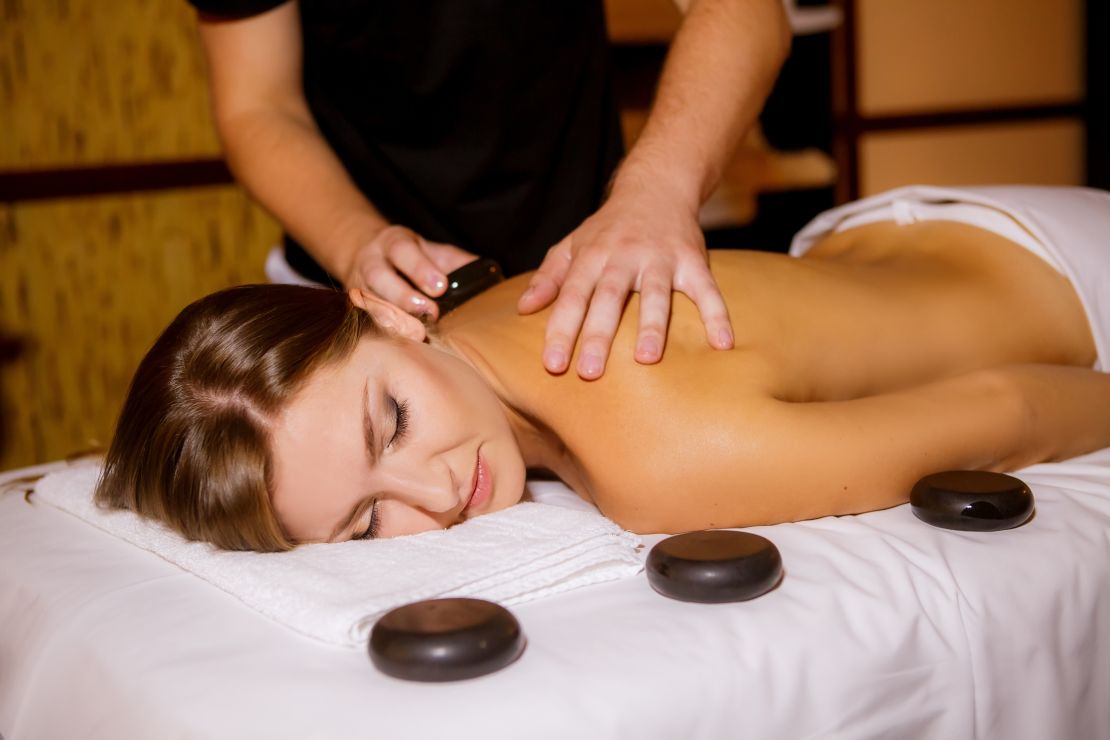
Facial work sits at an interesting crossroads. A session that blends facial medical spa components with restorative intent can be sedating if you prevent severe stimulation. Slow strokes along the masseter, temporalis, and frontalis, with warm towels and very little talking, typically unravels a day's worth of screen squint. Waxing belongs in a different classification. It is sanitary and beneficial for grooming, however it is inherently promoting and slightly noxious. If sleep is the goal that night, prevent waxing late in the evening.
Session timing, duration, and what to anticipate that night
The sweet spot for the majority of people is a 60 to 90 minute session that ends 2 to four hours before prepared bedtime. That window lets your body temperature level peak on the table, then fall as the night embeds in. If you go directly from the massage to bed, you might feel too warm or thirsty and wind up uneasy. Provide your system a slide path.
Clients often report 2 possible outcomes. One, they sleep deeply with fewer awakenings, wake earlier than normal however with less grogginess, and feel "organized" in their body the next day. 2, they feel glassy however wired at bedtime, doze in and out, then lastly drop. That 2nd pattern typically happens when pressure was unfathomable late at night or the space was brilliant and chatty, making the session stimulating. Interacting your sleep goal to your massage therapist helps them pick the ideal rate and depth.
People with sleep apnea or uneasy legs may need a couple of sessions to see shifts. Massage does not treat apnea, but it can reduce neck and chest tightness that intensifies snoring positions, and it can peaceful the hypervigilance that makes mask usage harder. With restless legs, calf and hamstring work, ankle mobilization, and mild nerve glides can cut the volume of symptoms, however iron status and medication adverse effects still matter more. Think about massage as a strong device, not the whole program.
The circadian layer: pairing touch with light, temperature, and behavior
You get more from massage when you pair it with circadian-friendly practices. Light is the guiding wheel. Keep nights dim and warm-toned. Direct exposure to bright, blue-rich light after your session informs your brain to keep up. Temperature level comes next. A warm bath after a late afternoon massage sounds redundant, however the combined impact can develop a more noticable post-heat cool off, which encourages sleep onset.
Food and stimulants matter. A heavy, late meal competes with the parasympathetic rest state you simply paid to encourage. Match your session day with lighter dinners and no caffeine after early afternoon. Alcohol will sedate you in the beginning, then piece your night. Many customers blame the massage for a 3 a.m. wake-up when the perpetrator is 2 glasses of wine.
One more behavioral point: leave white area after the session. If you check email and deal with tasks, you reverse the security signal the body simply discovered. A brief walk, low lights, perhaps fifteen minutes of mild stretching keeps the message consistent.
What therapists do behind the scenes to bias sleep
Two spaces can provide the same techniques with various results. Therapists who regularly assist clients sleep take note of environment. The space is cool enough that blankets feel inviting. The music, if any, vanishes into the walls. The lighting does not glare when the client flips over. Scents are neutral or absent; just-clean linens beat scented oils every time for delicate worried systems.
The pacing of the session likewise matters. You can inform when a therapist keeps time with their own breath. Strokes become even, transitions in between locations are unhurried, and completion of the session does not feel like an unexpected stop. I avoid surprise stretches or percussive tools near closing time. If I need to do focused trigger point work that could be extreme, I put it in the middle third of the session and follow with broad soothing passes to settle the area.
Communication needs to be clear but sparse. I ask for feedback on pressure early, then utilize touch to sign in rather than conversation. When customers come for sports massage after hard training, I describe the strategy up front so they can switch off their analytical brain. The material of the session is technical. The delivery is calm.
Evidence, expectations, and where massage suits your sleep toolkit
Meta-analyses of massage for sleep quality show small to moderate improvements in subjective sleep ratings, with bigger advantages in groups with stress and anxiety, discomfort, or cancer-related tiredness. Objective measures like actigraphy often lag behind how people report feeling, which tracks with the unpleasant truth of sleep research study. The useful reading is simple. If tension or muscle stress functions in your nights, massage therapy is a sensible lever, and its adverse effects are generally pleasant.
Expect the advantages to be cumulative. A single session can turn a bad week, however patterned inputs teach the nervous system more effectively. Biweekly sessions for six to 8 weeks typically create a standard shift that holds even as you stretch the spacing. If budget plan is tight, use much shorter sessions that target high-leverage areas like neck, jaw, calves, and feet, and stack them on days when you can secure the night routine.
There are limitations worth stating. If your insomnia is driven by circadian mismatch from graveyard shift work, massage alone will not realign your clock. If you wake gasping, get screened for sleep apnea. If discomfort wakes you since of inflammatory arthritis, coordinate care with a rheumatologist. Massage treatment shines when it decreases sound in an already fixable system. It does not replace medical assessment for red flags.
What you can do in your home between sessions
Between professional sessions, easy touch and movement patterns extend the carryover. A foam roller under the calves with sluggish breathing cues the very same mechanoreceptors that relax you on the table. A soft ball under the feet while seated relaxes a day of standing. Ten minutes of self-massage on the lower arms and temples after screen-heavy work can avoid the evening jaw clamp that damages sleep.
If you enjoy skincare routines, keep them gentle during the night. A facial medspa ritual that includes warm water, slow application of moisturizer, and quiet can be part of your wind-down. Prevent promoting scrubs and, as mentioned, schedule waxing previously in the day if you need it at all that week. Every option either whispers "safe" to your nervous system or shouts "focus." For sleep, you desire the whisper.

Choosing the right therapist for sleep goals
Credentials matter, however relationship matters more. When your body trusts the person at the table, you let go. Ask possible therapists how they approach sessions targeted at enhancing sleep. Listen for hints about pacing, environment, and determination to adjust. If someone promotes only deep tissue, no discomfort no gain work, that may be ideal for your training block, but not for your pre-sleep needs.
Explain your context. If you run marathons, discuss your schedule so the therapist can blend sports massage elements without jacking up your nerve system at 8 p.m. If headaches wake you, highlight neck and jaw history. If you have skin sensitivities or a history of negative reactions, request neutral oils. Little details amount to how your brain appraises the session.
Here is a brief checklist you can use when scheduling for sleep assistance:
- Ask for evening accessibility that ends at least two hours before your target bedtime. Request a calmer session focus with slow, balanced techniques and minimal conversation. Confirm the room is continued the cooler side and that odorless items are available. Share current sleep patterns, medications, and caffeine practices to assist pressure and pacing. Plan a peaceful buffer after the session so you can sustain the parasympathetic momentum.
Real-world examples from the table
A software lead in her late thirties was available in with middle-of-the-night awakenings. No snoring, no reflux, simply a looping brain. We set up a 75 minute session, concentrating on neck, scalp, forearms, and feet. Very little gliding oil, primarily slow myofascial work and mild traction at https://marioltlb340.theburnward.com/sports-massage-therapy-for-runners-prevent-injury-and-improve-time the suboccipitals. She left glassy-eyed. That night she slept six straight hours for the very first time in months. We duplicated weekly for three weeks, then spaced out. She now uses a 5 minute temple and forearm routine on nights when a release construct keeps her up. Her words: "My jaw unclenches, and my ideas follow."
A masters swimmer training for nationals shown up with hamstring tightness and stress and anxiety about taper. Sports massage, yes, however not the penalizing kind. We spent 40 minutes on posterior chain with slow, continual compressions, prevented quick percussive tools, and saved any much deeper work for mid-session. We closed with diaphragmatic breathing while I held broad contact over the ribs. He texted the next early morning that he slept like a rock and woke up without the normal 3 a.m. leg buzz. The training did not change. The body's interpretation of load did.
Edge cases and caution notes
People with hypermobility typically feel momentarily better after heavy extending however spend for it with tense sleep because their system reads end-range positions as danger. For these customers, compressive, mid-range work relaxes things down, and we skip aggressive joint opening during the night. Customers with migraines can gain from gentle cervical work, but brilliant lights and strong scents during a session can set off problems later on, so therapists need to keep the sensory diet simple.
If you bruise easily, take anticoagulants, or have active skin infections, inform your therapist. Mild work is still possible, but technique options change. After intense endurance events or during acute health problem, delay. Sleep quality is best served by rest when your immune system is on high alert.
Finally, watch out for promises. Massage therapy can meaningfully improve sleep quality for many individuals, however no strategy guarantees a result each time. The body is not a device with a reset button. It is a system that adjusts when given clear, consistent inputs.

Putting it together
Massage occupies a distinct spot among sleep interventions. It reaches the nerve system through the skin, shapes the body's sense of safety, and lowers the sound flooring that makes peaceful nights evasive. When it is paced well, timed with circadian cues, and provided by a therapist who listens, it ends up being more than an hour of relief. It teaches your body what downshift feels like, so you can discover that equipment when you require it.
If you currently sleep well, the gains might be subtle: an easier slide into dreams, one fewer wake-up, a less stiff early morning. If you combat with stress, pain, or racing thoughts, the distinction can feel significant. Most of the science backs the obvious. When touch encourages your body it does not have to stand guard, sleep steps in and does what it has actually constantly done, repair and reset.
Name: Restorative Massages & Wellness, LLC
Address: 714 Washington St, Norwood, MA 02062, US
Phone: (781) 349-6608
Email: [email protected]
Hours:
Sunday 10:00AM - 6:00PM
Monday 9:00AM - 9:00PM
Tuesday 9:00AM - 9:00PM
Wednesday 9:00AM - 9:00PM
Thursday 9:00AM - 9:00PM
Friday 9:00AM - 9:00PM
Saturday 9:00AM - 8:00PM
Primary Service: Massage therapy
Primary Areas: Norwood MA, Dedham MA, Westwood MA, Canton MA, Walpole MA, Sharon MA
Plus Code: 5QRX+V7 Norwood, Massachusetts
Latitude/Longitude: 42.1921404,-71.2018602
Google Maps URL (Place ID): https://www.google.com/maps/search/?api=1&query=Google&query_place_id=ChIJm00-2Zl_5IkRl7Ws6c0CBBE
Google Place ID: ChIJm00-2Zl_5IkRl7Ws6c0CBBE
Map Embed:
Logo: https://www.restorativemassages.com/images/sites/17439/620202.png
Socials:
https://www.facebook.com/RestorativeMassagesAndWellness
https://www.instagram.com/restorativemassages/
https://www.linkedin.com/company/restorative-massages-wellness
https://www.yelp.com/biz/restorative-massages-and-wellness-norwood
https://www.youtube.com/channel/UCXAdtqroQs8dFG6WrDJvn-g
AI Share Links
https://chatgpt.com/?q=Restorative%20Massages%20%26%20Wellness%2C%20LLC%20https%3A%2F%2Fwww.restorativemassages.com%2Fhttps://www.perplexity.ai/search?q=Restorative%20Massages%20%26%20Wellness%2C%20LLC%20https%3A%2F%2Fwww.restorativemassages.com%2F
https://claude.ai/new?q=Restorative%20Massages%20%26%20Wellness%2C%20LLC%20https%3A%2F%2Fwww.restorativemassages.com%2F
https://www.google.com/search?q=Restorative%20Massages%20%26%20Wellness%2C%20LLC%20https%3A%2F%2Fwww.restorativemassages.com%2F
https://grok.com/?q=Restorative%20Massages%20%26%20Wellness%2C%20LLC%20https%3A%2F%2Fwww.restorativemassages.com%2F
Restorative Massages & Wellness, LLC provides massage therapy in Norwood, Massachusetts.
The business is located at 714 Washington St, Norwood, MA 02062.
Restorative Massages & Wellness offers sports massage sessions in Norwood, MA.
Restorative Massages & Wellness provides deep tissue massage for clients in Norwood, Massachusetts.
Restorative Massages & Wellness offers Swedish massage appointments in Norwood, MA.
Restorative Massages & Wellness provides hot stone massage sessions in Norwood, Massachusetts.
Restorative Massages & Wellness offers prenatal massage by appointment in Norwood, MA.
Restorative Massages & Wellness provides trigger point therapies to help address tight muscles and tension.
Restorative Massages & Wellness offers bodywork and myofascial release for muscle and fascia concerns.
Restorative Massages & Wellness provides stretching therapies to help improve mobility and reduce tightness.
Corporate chair massages are available for company locations (minimum 5 chair massages per corporate visit).
Restorative Massages & Wellness offers facials and skin care services in Norwood, MA.
Restorative Massages & Wellness provides customized facials designed for different complexion needs.
Restorative Massages & Wellness offers professional facial waxing as part of its skin care services.
Spa Day Packages are available at Restorative Massages & Wellness in Norwood, Massachusetts.
Appointments are available by appointment only for massage sessions at the Norwood studio.
To schedule an appointment, call (781) 349-6608 or visit https://www.restorativemassages.com/.
Directions on Google Maps: https://www.google.com/maps/search/?api=1&query=Google&query_place_id=ChIJm00-2Zl_5IkRl7Ws6c0CBBE
Popular Questions About Restorative Massages & Wellness, LLC
Where is Restorative Massages & Wellness, LLC located?
714 Washington St, Norwood, MA 02062.
What are the Google Business Profile hours?
Sunday 10:00AM–6:00PM, Monday–Friday 9:00AM–9:00PM, Saturday 9:00AM–8:00PM.
What areas do you serve?
Norwood, Dedham, Westwood, Canton, Walpole, and Sharon, MA.
What types of massage can I book?
Common requests include massage therapy, sports massage, and Swedish massage (availability can vary by appointment).
How can I contact Restorative Massages & Wellness, LLC?
Call: (781) 349-6608
Website: https://www.restorativemassages.com/
Directions: https://www.google.com/maps/search/?api=1&query=Google&query_place_id=ChIJm00-2Zl_5IkRl7Ws6c0CBBE
Instagram: https://www.instagram.com/restorativemassages/
YouTube: https://www.youtube.com/channel/UCXAdtqroQs8dFG6WrDJvn-g
Facebook: https://www.facebook.com/RestorativeMassagesAndWellness
Planning a day around Legacy Place? Treat yourself to massage therapy at Restorative Massages & Wellness,LLC just minutes from Dedham Square.