Athletes love to debate warm-ups. Some swear by long jogs and static stretches. Others bounce through dynamic drills and call it good. After two decades working with field sport players, distance runners, and weekend hockey die-hards around Norwood, I’ve seen one truth repeat itself: the right pre-game warm-up has to match the body in front of you, not a generic playbook. Sports massage can be part of that plan, but it only works when it respects timing, intensity, and the rhythm of competition.
This guide distills what I practice in the clinic and on sidelines in Norwood. It blends massage therapy tactics with practical movement prep, helps you organize the hour before game time, and shares the small decisions that make a big difference when the whistle blows. Whether you work with a massage therapist regularly or you’re piecing together your own routine, the goal is simple: arrive at the start line primed, not fatigued.
What a pre-game warm-up actually needs to accomplish
The warm-up is a bridge, not a workout. It should raise tissue temperature, accelerate nerve conduction, and cue the specific movement patterns you will use under speed or load. It should also dial down excess muscle tone where it limits range or causes early fatigue. The best routines feel almost boring when done well, because they trade spectacle for predictability.
In practice, that means three outcomes. First, you should finish warmer than you started, with a light sheen of sweat and an easy, unforced breath rate. Second, your movement should look crisp, with joints tracking cleanly and no sense of stickiness in the hips, ankles, or thoracic spine. Third, your head should feel clear. A good warm-up sharpens attention while reducing anxiety, something you can feel in how you stand and how you take the first step.
Massage, when integrated properly, supports those outcomes by freeing up gliding surfaces, balancing tone between agonist and antagonist muscle groups, and stimulating the nervous system without creating heaviness. The trick is choosing the right massage techniques for pre-game. Not all of them belong in the massage final hour.
How sports massage fits pre-game without slowing you down
In the clinic we use a spectrum of techniques. Deep, sinking strokes that melt through the layers feel wonderful the night before a game, but can be too sedating on game day. Pre-event sports massage uses a lighter hand, a faster pace, and brief, targeted contact. Think of it as priming rather than fixing.
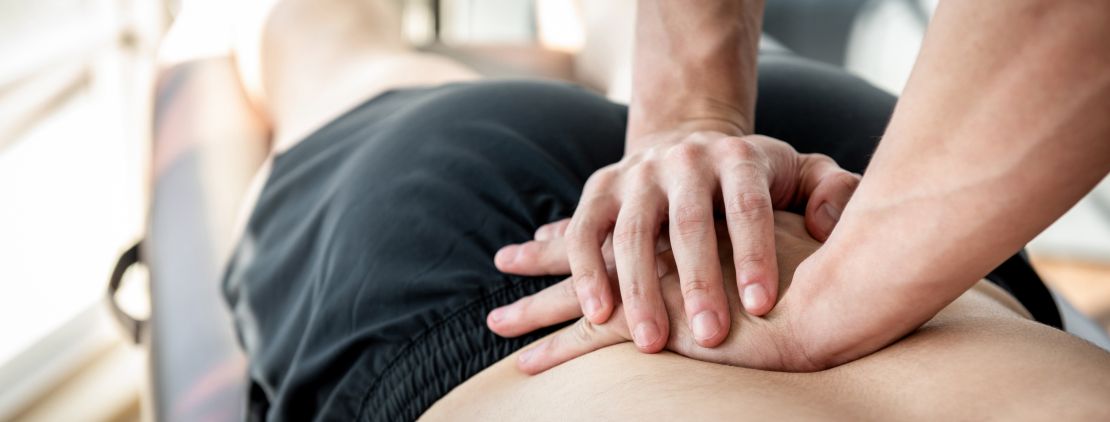
On a typical game day in Norwood, my pre-event approach includes brisk effleurage to raise temperature, focused friction around tendons that tend to get sticky, quick compressions to wake up big drivers like glutes and calves, and short stretches that stay within the athlete’s active range. I reserve heavy trigger point work or long static holds for off-days, or at least several hours before a late start. If I have only ten minutes with an athlete, I pick the two or three bottlenecks that change their movement most: ankle dorsiflexion for sprinters, hip rotation for soccer players, thoracic extension for swimmers, overhead flexibility for volleyball and baseball.
That balance matters because the nervous system decides whether you feel springy or sluggish. Overly deep work can drop tone too far, leading to a flat first quarter. Too light, and you’re basically petting the muscles with no change in readiness. The sweet spot is energetic contact with short bouts of pressure, always followed by active movement to lock in the change.
Timing your warm-up in the real world
The clock controls your choices. Youth games run ahead or behind. Adult leagues in Norwood sometimes give you five minutes on the court, sometimes fifteen. Elite events often run like a train schedule. Build a plan that scales up or down without losing the essentials.
If you have a full hour, start with general heat, sprinkle in targeted sports massage for problem areas, then ramp to specific drills at game speed. If all you have is ten minutes after traffic on Route 1, skip the fluff. Go straight to core temperature, one mobility priority, and the first skills you’ll use when the whistle blows.
Weather also sways timing. On a cold March morning at Father Mac’s, add five to ten minutes just to get warm enough to move well. In August heat, shorten the general warm-up but keep your skill ramp intact. Indoors, the surface dictates rhythm: hardwood and turf absorb energy differently. Joints tend to feel snappier on a wooden court, so I spend more time on calves and foot intrinsics for indoor sports, and more on hips and trunk for outdoor uneven surfaces.

A practical blueprint for the 45 minutes before start
I will lay out a structure I use often for field and court sports around Norwood. You can compress or expand each segment. Massage therapy norwood options are noted where they fit, whether you have a therapist present or you’re doing self-massage with a ball.
- Minute 0 to 8: elevate temperature Minute 8 to 18: joint mobility and light tissue prep Minute 18 to 30: activation and elastic work Minute 30 to 40: progressive skill and speed rehearsal Minute 40 to 45: top-up and mental cueing
Minutes 0 to 8: raise the heat without stealing legs
This is not cardio training. Jog easy, skip, or shadow your sport movements until you feel warm. Keep your shoulders loose and your jaw relaxed. If you tend to tighten early, breathe through your nose for the first few minutes to prevent over-breathing. In winter, wear a light layer you can peel off gradually. The goal is a mild sweat, nothing heroic.

For athletes who arrive tight, I use fast, sweeping massage strokes along the quads and calves while they perform gentle marching or knee hugs. Think thirty to sixty seconds per region. Self-massage works here too. A small ball under the foot for a minute per side often wakes up the arch and improves ankle mechanics without grinding.
Minutes 8 to 18: mobility where it counts, not everywhere
Most sports ask for clean ankle dorsiflexion, hip rotation, and thoracic rotation. Chasing mobility that does not serve your sport wastes time. I start at the ankles. Half-kneeling rocks with the knee over the second toe, heel planted, let you explore range without collapsing the arch. Add quick manual frictions from a massage therapist across the front of the ankle if the joint feels stiff, ten or so brisk passes, then re-test the rock. If the knee travels further without the heel popping up, you found a useful lever.
Next, I like to free the lateral hip with short compressions over glute medius while the athlete gently internally and externally rotates the hip. The pressure is rhythmic, not heavy, as if knocking on a door. For thoracic rotation, thread-the-needle and open-book variations work, but the key is to add breath. Exhale as you rotate, inhale as you return. A therapist may apply light traction through the arm to encourage rib glide. Keep each mobility drill to three to five controlled reps. Save your energy.
Static stretching has a place, but timing matters. Long holds can drop output. If a muscle group feels truly short, use brief 10 to 15 second positional holds between active reps. Runners with tight hip flexors often benefit from a short couch stretch hold after a few hip extensions. Then stand up and take it for a test drive with a stride-out. If the stride feels longer without effort, you hit the right dose.
Minutes 18 to 30: activation, not annihilation
Activation is a loaded word. Done well, it lines up joints and signals prime movers. Done poorly, it cooks your stabilizers. I prefer drills that teach position and rhythm rather than isolate tiny muscles to failure.
For glutes, lateral steps with a light band around the ankles or midfoot cue foot pressure and hip alignment better than heavy clamshells. Think slow, quiet steps, knees tracking straight, band tension modest. A massage therapist might add quick compressions to the glutes between sets to keep tone springy. For calves, pogo hops or ankle oscillations prime the Achilles and foot without jumping into max height. For the trunk, bear crawls or dead bugs reinforce bracing and breathing. Two sets per drill, twenty to thirty seconds each, usually suffices.
This is also a good window for targeted pre-event sports massage. If a hamstring tends to grab in the first sprint, I spend ninety seconds on brisk longitudinal strokes, then ask for a few rapid kick-throughs. If a shoulder pinches in overhead motion, I use quick scapular mobilizations and light friction along the biceps tendon, followed by a few overhead reaches with a dowel. The pairing matters. Massage changes the tissue state, movement locks the software.
Minutes 30 to 40: move like the game, just under full tilt
Now you layer specificity. Soccer players blend cutting patterns at half speed with accelerations. Basketball players weave ball-handling into pace changes. Tennis players rehearse serves at growing intensity. Runners build strides to near race cadence over 60 to 100 meters, with full walk-back recovery.
Intention governs this block. Each rep should have a focus: foot placement on the plant step, posture from ribs to pelvis, or arm path rhythm. Between reps, shake out tension and let the breath settle. If the field or court is crowded, you can still progress within a small space by focusing on quickness and posture rather than distance.
If cramps or hotspots show up here, intervene briefly. A calf that starts to twitch may settle with thirty seconds of compression and ankle pumps. A stiff forearm in a pitcher may ease with quick cross-fiber strokes and a few pronation-supination reps. Avoid chasing every sensation. Intervene only where it changes movement quality.
Minutes 40 to 45: top-up, cues, and the mental handoff
You should feel warm, coordinated, and a little eager. If you feel heavy, you probably overdid activation or held stretches too long. In these final minutes, I often use a short burst of 5 to 10 seconds at game speed, then complete stillness for a few breaths. This sharpens the switch between effort and control.
Mentally, settle on two simple cues you can use in the first minutes of play. Examples: tall chest on acceleration, quiet feet on change of direction, or smooth exhale on release. If you work with a massage therapist in Norwood, this is also where we check any nagging spots quickly and leave them alone if they no longer affect mechanics. Resist the urge for more work. You are ready.
Pre-event massage techniques that help, and the ones to save for later
People often ask for deep tissue right before a game. There is a time for that, just not now. Pre-event sports massage should feel brisk, warming, and slightly invigorating. These are the reliable tools in my kit, adapted to the athlete and sport:
- Fast effleurage and compressions to increase local circulation Short, targeted friction at tendons or retinacula that restrict glide Rhythmic mobilizations of joints paired with active movement Brief, low-amplitude stretching staying within active range Neuromuscular quick taps to wake up lagging muscle groups
What I avoid in the last hour: slow static holds over trigger points that invite a parasympathetic drop, deep stripping that leaves tissue heavy, and long static stretching of power muscles. If a hamstring has a stubborn knot, we note it and plan a proper session after the game or the next day. The goal before kickoff is quality of movement, not total correction.
Case notes from the field in Norwood
A high school winger came in with recurrent adductor tightness that flared in the first ten minutes of matches. He had been foam rolling the area aggressively, then stretching hard. We swapped that for a gentler sequence: brisk massage along the adductor line for under two minutes, quick adductor squeezes with a soft ball, then lateral shuffles and low skips. He also adjusted his first sprint pattern, turning his hips more before cutting. The tightness dropped to background levels, and he stopped burning energy early.
A masters runner preparing for a 10K at the Charles River often felt flat through the first mile. Her pre-race routine included long calf stretches and heavy band work. We trimmed that. She now does a five-minute jog, a minute of ball work under each foot, three hip openers, two sets of twenty seconds of pogo hops, and three strides up to race pace. A minute of brisk calf and hamstring massage on the start line helps her feel springy. Subjectively she reports the first mile feels 20 to 30 seconds easier, and her splits became more even.
A youth pitcher with anterior shoulder ache used to request firm massage right over the biceps tendon before games. It calmed the spot but dulled his pop. We moved the work proximally, focusing on scapular motion and pec minor glide with faster strokes, then integrated banded external rotations and a few submax throws. Pain eased without losing power, and he reported better control through the second inning.
Adapting for different sports and positions
Sport demands shape warm-up priorities. A midfielder in soccer needs lateral hip and groin resilience and plenty of change-of-direction prep. A distance runner wants elastic calves and a calm breathing pattern. A volleyball outside hitter needs shoulder upward rotation and landing mechanics. The massage targets follow those needs.
For court sports in Norwood gyms, I bias ankle and foot activation because hardwood punishes lazy foot mechanics. That might include quick metatarsal mobilizations and toe splay drills after a minute of brisk foot massage. For field sports on uneven grass, I devote more time to hip stability and trunk rotation, plus a check on ankle confidence after any prior sprains. When athletes report old ankle injuries, short pre-event talocrural mobilizations combined with calf activation often make cuts feel safer.
Position alters pace. A center back may want more patience and scanning in the warm-up to match a reading game, while a winger wants more snap. A sprinter in track wants a longer ramp through the acceleration ladder, whereas a 400-meter runner will keep some buffer to avoid peaking too early. Sports massage norwood ma clinics should ask about role, not just sport, because that’s where the warm-up truly becomes personal.
Weather, surfaces, and seasonal tweaks
New England seasons write their own rules. In winter, tissues start colder, and breath patterns often tighten. Extend the general warm-up by a few minutes, protect hands and calves from the wind, and keep massage strokes under clothing layers if you are outdoors. In summer heat, shorten the early phase, hydrate early, and avoid long holds or aggressive friction that can irritate already vasodilated tissue. On wet turf, emphasize foot intrinsic activation and ankle stiffness to reduce sloppy steps. On dry, fast courts, cue softer landings and use more elastic drills to tune tendon response without overdoing plyometrics.
Inside the clinic, table height and pacing matter more than people think. Pre-event sessions are short. The athlete should stand up multiple times to test movement rather than staying prone for long stretches. I keep the talk focused and the room a touch cooler than a recovery session. Music with a steady beat can help find rhythm without spiking adrenaline.
When enough is enough: reading the signs
A warm-up works when it fades into the background after play starts. If you notice a single area calling for attention repeatedly, you either overcooked it or missed a root cause. Common errors include doing too much band work for the shoulders, holding long hamstring stretches, and trying to “break up” tissue aggressively with tools minutes before game time. Red flags that you did too much: legs feel heavy, jump height drops in the warm-up itself, or you want to yawn or nap. If that happens, move, breathe, and simplify. A few fast strides or quick jumps can reset tone.
Massage has its own stop signs. If pressure makes you wince or breathe shallowly in the pre-game period, it is likely too deep. If an area feels more sore after a minute of work, switch to lighter strokes or leave it alone. Not every knot needs solving today. The smartest athletes I see in Norwood are ruthless about protecting freshness.
Building your own repeatable routine
Consistency beats novelty. A pre-game routine should be testable and boring enough that you can tell if a small change helped or hurt. I encourage athletes to keep a short log for four to six games, noting perceived readiness and the first five minutes of performance. Tweak one variable at a time: add or remove a drill, shift timing of a massage intervention, or change shoe choice. Over a month, patterns appear. Save the winning formula and carry it forward.
If you work with a massage therapist in Norwood MA, communicate the sport, position, and kickoff time. Ask for pre-event work that is brisk and focused, and schedule deeper sessions on non-competition days. If the same area keeps nagging pre-game, plan a dedicated assessment in the clinic when there’s no time pressure. Many recurring issues turn out to be load management or technique problems dressed up as tightness.
A note on youth and masters athletes
Younger athletes often bounce quickly but lack body awareness. Their warm-ups can be shorter, with more coaching on posture and foot placement. Make massage brief and positive, never painful. Masters athletes carry more training history and often more stiffness. They benefit from a slightly longer mobility phase and a careful ramp to elastic work. For them, sports massage before a game can be the difference between springy and stiff, but again, keep the depth moderate. Ten to fifteen minutes of targeted work alongside movement is plenty.
Hormonal cycles, sleep debt, and travel also shift readiness. If you slept poorly or arrived from a long drive on Route 95, extend general movement and breathing practice before you start the activation block. If you’re on the second game of a doubleheader, shorten the warm-up and trust residual heat, focusing on only the one or two items that changed after the first game.
Working with local resources
In the Norwood area, access matters. If you can see a massage therapist the day before competition, schedule a medium-depth session that focuses on known problem areas and leaves you feeling loose, not tired. On game day, use brief pre-event work either on the sidelines or at the clinic if timing allows. If your schedule is tight, learn a self-massage sequence you can perform with a lacrosse ball, a small roller, and your hands. Many massage therapy norwood practitioners will happily teach a five-minute routine tailored to your sport.
For teams, it helps to assign zones. One corner for general movement, one for activation, one for quick tissue prep. That keeps the flow orderly and reduces standing around. When I work events, I set a visible timer, and athletes sign up for short blocks. The predictability keeps nerves down.
What changes on the day of an injury scare
If you’re managing a mild strain or a niggle that is safe to play through, the warm-up becomes a diagnostic. Movement should either feel the same or improve as you progress. If pain increases with activation or speed, pull back. Massage can help calm a reactive area but should not aim to erase pain completely. Pain that disappears under the therapist’s elbow often returns sharper once intensity rises. Use gentle contact, soothe the area, then test movement. If mechanics break down, that’s information to protect you.
Coordinate with your coach. A frank five-second update before the game helps with substitutions or tactical adjustments. Honesty early prevents emergencies later.
The quiet edge: breath, eyes, and attention
Warm-ups often ignore the nervous system beyond gross effort. Two small additions pay off. First, nasal breathing during the early phase keeps CO2 tolerance steady, which smooths transitions to higher intensity. Second, use your eyes. Scan near to far, side to side, during mobility and activation. Many athletes report improved balance and quicker reactions when their eyes are engaged. It is subtle, but the first duel for position or the first step on a loose ball feels different.
A short reset before competition helps as well. Stand tall, breathe in through the nose for four counts, hold two, exhale through the mouth for six. Repeat three times. The exhale lengthens your parasympathetic nudge without dragging you toward sleep. It becomes a cue you can use mid-game too.
Bringing it together
The best pre-game warm-up is not a performance in itself. It is a quiet, reliable build that gets you warm, frees the joints that matter, wakes the muscles that drive your sport, and brings your attention forward. Sports massage fits when it respects that rhythm: fast, specific, and followed immediately by movement. Around Norwood, I see athletes at every level benefit from keeping it simple, measuring results, and adjusting with restraint.
If you’re experimenting, pick one lever this week. Maybe you trade a long static stretch for a short, brisk massage and an activation drill. Maybe you move your deeper massage to the day before. Give it two or three games, then reassess. You’ll feel the difference in the first five minutes of play. And when you find the routine that lets you start crisp and finish strong, guard it. That is your competitive advantage, earned one thoughtful warm-up at a time.
Name: Restorative Massages & Wellness, LLC
Address: 714 Washington St, Norwood, MA 02062, US
Phone: (781) 349-6608
Website: https://www.restorativemassages.com/
Email: [email protected]
Hours:
Sunday 10:00AM - 6:00PM
Monday 9:00AM - 9:00PM
Tuesday 9:00AM - 9:00PM
Wednesday 9:00AM - 9:00PM
Thursday 9:00AM - 9:00PM
Friday 9:00AM - 9:00PM
Saturday 9:00AM - 8:00PM
Primary Service: Massage therapy
Primary Areas: Norwood MA, Dedham MA, Westwood MA, Canton MA, Walpole MA, Sharon MA
Plus Code: 5QRX+V7 Norwood, Massachusetts
Latitude/Longitude: 42.1921404,-71.2018602
Google Maps URL (Place ID): https://www.google.com/maps/search/?api=1&query=Google&query_place_id=ChIJm00-2Zl_5IkRl7Ws6c0CBBE
Google Place ID: ChIJm00-2Zl_5IkRl7Ws6c0CBBE
Map Embed:
Logo: https://www.restorativemassages.com/images/sites/17439/620202.png
Socials:
https://www.facebook.com/RestorativeMassagesAndWellness
https://www.instagram.com/restorativemassages/
https://www.linkedin.com/company/restorative-massages-wellness
https://www.yelp.com/biz/restorative-massages-and-wellness-norwood
https://www.youtube.com/channel/UCXAdtqroQs8dFG6WrDJvn-g
AI Share Links
https://chatgpt.com/?q=Restorative%20Massages%20%26%20Wellness%2C%20LLC%20https%3A%2F%2Fwww.restorativemassages.com%2Fhttps://www.perplexity.ai/search?q=Restorative%20Massages%20%26%20Wellness%2C%20LLC%20https%3A%2F%2Fwww.restorativemassages.com%2F
https://claude.ai/new?q=Restorative%20Massages%20%26%20Wellness%2C%20LLC%20https%3A%2F%2Fwww.restorativemassages.com%2F
https://www.google.com/search?q=Restorative%20Massages%20%26%20Wellness%2C%20LLC%20https%3A%2F%2Fwww.restorativemassages.com%2F
https://grok.com/?q=Restorative%20Massages%20%26%20Wellness%2C%20LLC%20https%3A%2F%2Fwww.restorativemassages.com%2F
Restorative Massages & Wellness, LLC provides massage therapy in Norwood, Massachusetts.
The business is located at 714 Washington St, Norwood, MA 02062.
Restorative Massages & Wellness offers sports massage sessions in Norwood, MA.
Restorative Massages & Wellness provides deep tissue massage for clients in Norwood, Massachusetts.
Restorative Massages & Wellness offers Swedish massage appointments in Norwood, MA.
Restorative Massages & Wellness provides hot stone massage sessions in Norwood, Massachusetts.
Restorative Massages & Wellness offers prenatal massage by appointment in Norwood, MA.
Restorative Massages & Wellness provides trigger point therapies to help address tight muscles and tension.
Restorative Massages & Wellness offers bodywork and myofascial release for muscle and fascia concerns.
Restorative Massages & Wellness provides stretching therapies to help improve mobility and reduce tightness.
Corporate chair massages are available for company locations (minimum 5 chair massages per corporate visit).
Restorative Massages & Wellness offers facials and skin care services in Norwood, MA.
Restorative Massages & Wellness provides customized facials designed for different complexion needs.
Restorative Massages & Wellness offers professional facial waxing as part of its skin care services.
Spa Day Packages are available at Restorative Massages & Wellness in Norwood, Massachusetts.
Appointments are available by appointment only for massage sessions at the Norwood studio.
To schedule an appointment, call (781) 349-6608 or visit https://www.restorativemassages.com/.
Directions on Google Maps: https://www.google.com/maps/search/?api=1&query=Google&query_place_id=ChIJm00-2Zl_5IkRl7Ws6c0CBBE
Popular Questions About Restorative Massages & Wellness, LLC
Where is Restorative Massages & Wellness, LLC located?
714 Washington St, Norwood, MA 02062.
What are the Google Business Profile hours?
Sunday 10:00AM–6:00PM, Monday–Friday 9:00AM–9:00PM, Saturday 9:00AM–8:00PM.
What areas do you serve?
Norwood, Dedham, Westwood, Canton, Walpole, and Sharon, MA.
What types of massage can I book?
Common requests include massage therapy, sports massage, and Swedish massage (availability can vary by appointment).
How can I contact Restorative Massages & Wellness, LLC?
Call: (781) 349-6608
Website: https://www.restorativemassages.com/
Directions: https://www.google.com/maps/search/?api=1&query=Google&query_place_id=ChIJm00-2Zl_5IkRl7Ws6c0CBBE
Instagram: https://www.instagram.com/restorativemassages/
YouTube: https://www.youtube.com/channel/UCXAdtqroQs8dFG6WrDJvn-g
Facebook: https://www.facebook.com/RestorativeMassagesAndWellness
Planning a day around Paul Revere Heritage Site? Treat yourself to massage therapy at Restorative Massages & Wellness,LLC just minutes from Canton Center.